 PeopleOfLondon
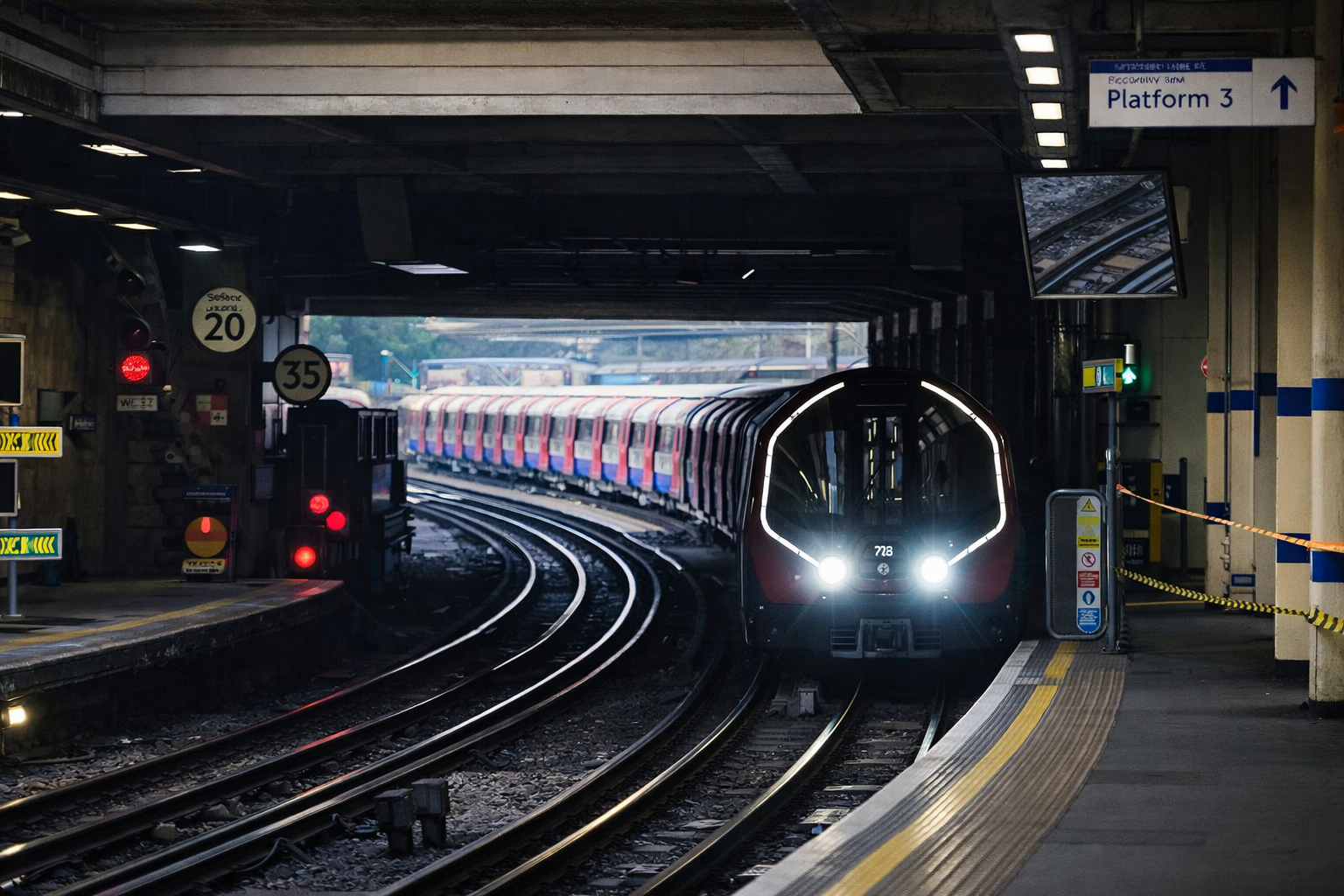
Londoners have started spotting something unusual on the Piccadilly line. Sleek, futuristic trains that look like they’ve rolled straight out of a sci-fi movie – quickly nicknamed “Tron” by train enthusiasts. These are the first of 94 brand-new trains that will eventually replace rolling stock that’s been running for more than 50 years.
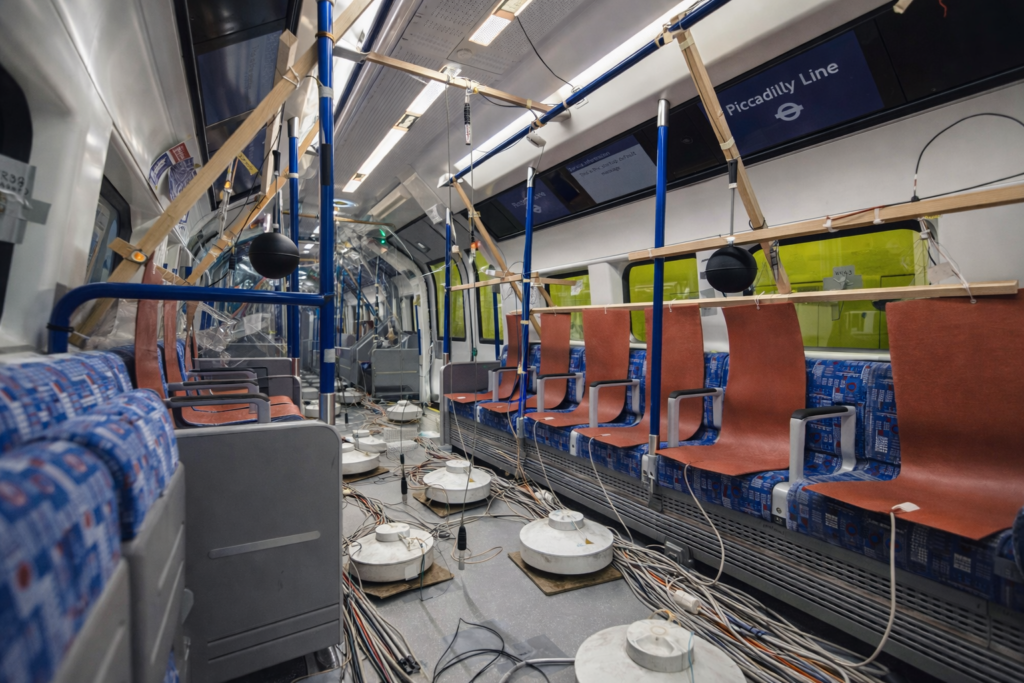
They’re being built in Yorkshire and have already clocked hundreds of hours of testing on London’s live railway. Most of that testing happens overnight or during full weekend closures, but recently several trains ran between Hammersmith and the Northfields depot, giving curious passengers and passers-by a rare glimpse of the future of the Underground.
For everyday commuters, the biggest change is simple but huge: air conditioning. For the first time ever, Piccadilly line trains will be cooled in summer. That single decision explains many of the visible design changes – smaller windows, a different internal layout and a completely new carriage structure.
Some of the carriages use a “floating” design, meaning they don’t have their own wheels and are suspended from neighbouring cars. This reduces overall weight and creates space for the air-conditioning systems. Clever engineering – but not without consequences.
During testing, engineers discovered that on sharp curves, especially where tracks are angled, these floating carriages sway more than expected. Trains don’t just need to fit tunnels in theory; they move, wobble and flex in real life. Existing modelling software struggled to fully predict this behaviour, and in certain sections of the Piccadilly line the trains exceeded their safe movement envelope.
The fixes are technical but manageable: anti-roll devices fitted to the carriages, plus targeted adjustments to track and platforms. Still, these changes take time, and they’re the main reason the trains aren’t carrying passengers yet.
At the same time, costs are rising. The Piccadilly line upgrade was originally priced at just under £3.3 billion, later trimmed to below £3 billion, but Transport for London has now confirmed it will exceed that figure again. Part of the extra cost comes from upgrading depots, particularly at Northfields and Cockfosters. To control spending, TfL is delaying some works at Northfields while pushing ahead with Cockfosters as planned.
There’s also a bigger strategic compromise. The original vision included a full signalling upgrade that would have increased services from 24 to 36 trains per hour. That signalling project was paused during the pandemic. Without it, capacity will rise only to around 27 trains per hour – still a noticeable improvement, but far short of what was promised.
Despite the delays, TfL insists progress is solid. According to its chief capital officer, testing on the live railway is going well, with major milestones already passed. The trains are also designed to be more “track-friendly,” reducing long-term wear on the network and cutting future maintenance closures. They even include systems to help deal with slippery rails during autumn leaf fall – a perennial problem on the Uxbridge branch.
So when will Londoners finally ride them? Officially, the second half of 2026. Unofficially, it’s looking more like the very end of the year. Christmas is possible – but only just.
The irony is clear. Without the bold design choices, the trains might already be in service. But they’d also be just another generation of hot, uncomfortable Tube stock. These trains are expected to run for 35 to 50 years. A delay now may be the price London pays for decades of cooler, quieter and more reliable journeys ahead.